 EN
EN
 INA
INA
Strengthening Community Empowerment: Food Technology Unud’s Initiative for “Desa Sehati” in Dauh Peken Village, Tabanan District, Tabanan
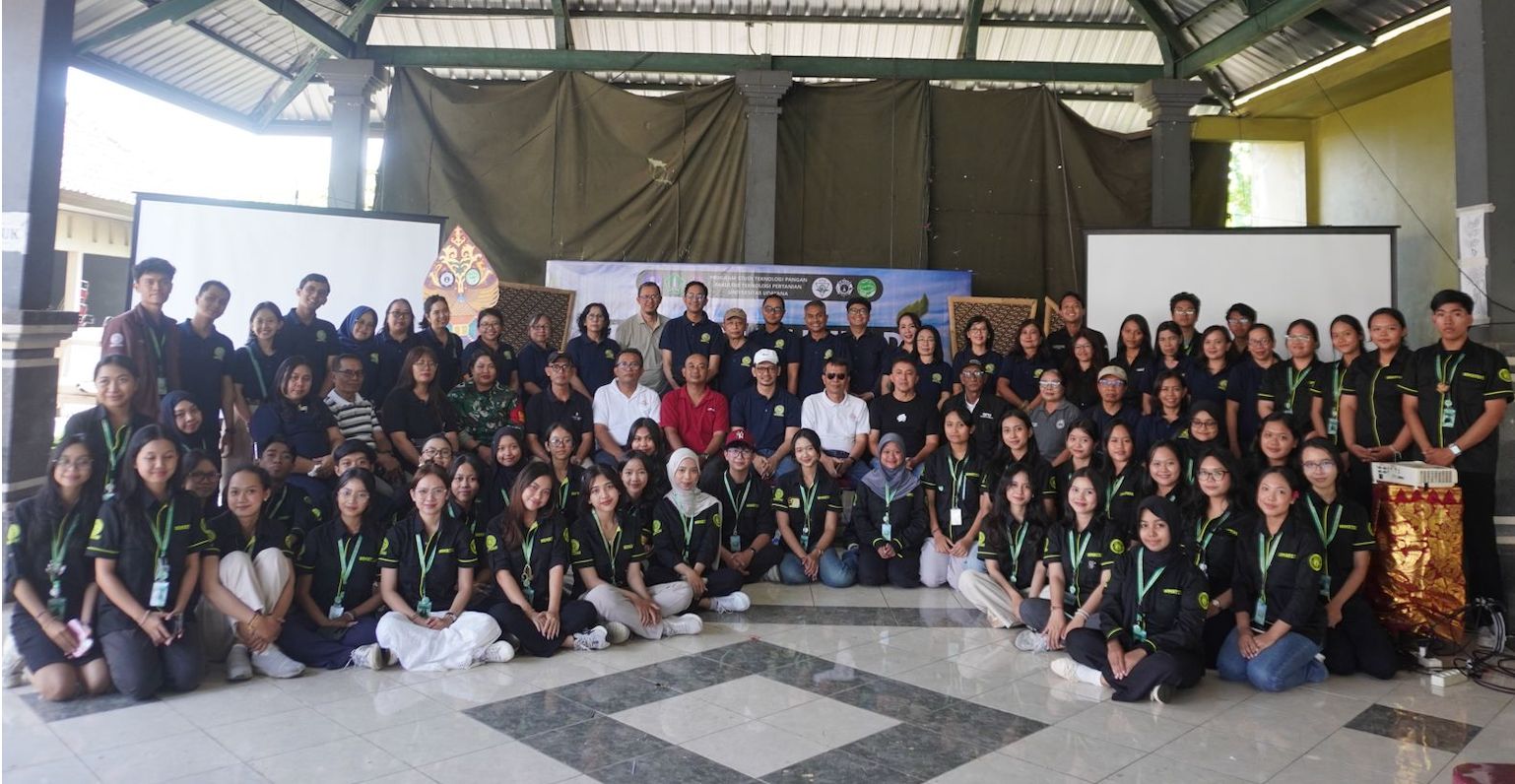
The collaboration between lecturers and students of the Food Technology Study Program, Udayana University (Unud), once again demonstrated its commitment to implementing the Tri Dharma of Higher Education through a Community Service Program entitled “Desa Sehati (Healthy, Educative, and Independent),” which was held on May 9–10, 2026, in Dauh Peken Village, Tabanan District, Tabanan. This program was conducted as an effort to create a physically healthy, knowledgeable, and economically independent community through the utilization of local commodities based on real food concepts and community empowerment. This Community Service Program was organized as a form of academic contribution in supporting the local community through the promotion of sustainable healthy food and the development of local food potential in Dauh Peken Village, Tabanan District, Tabanan.
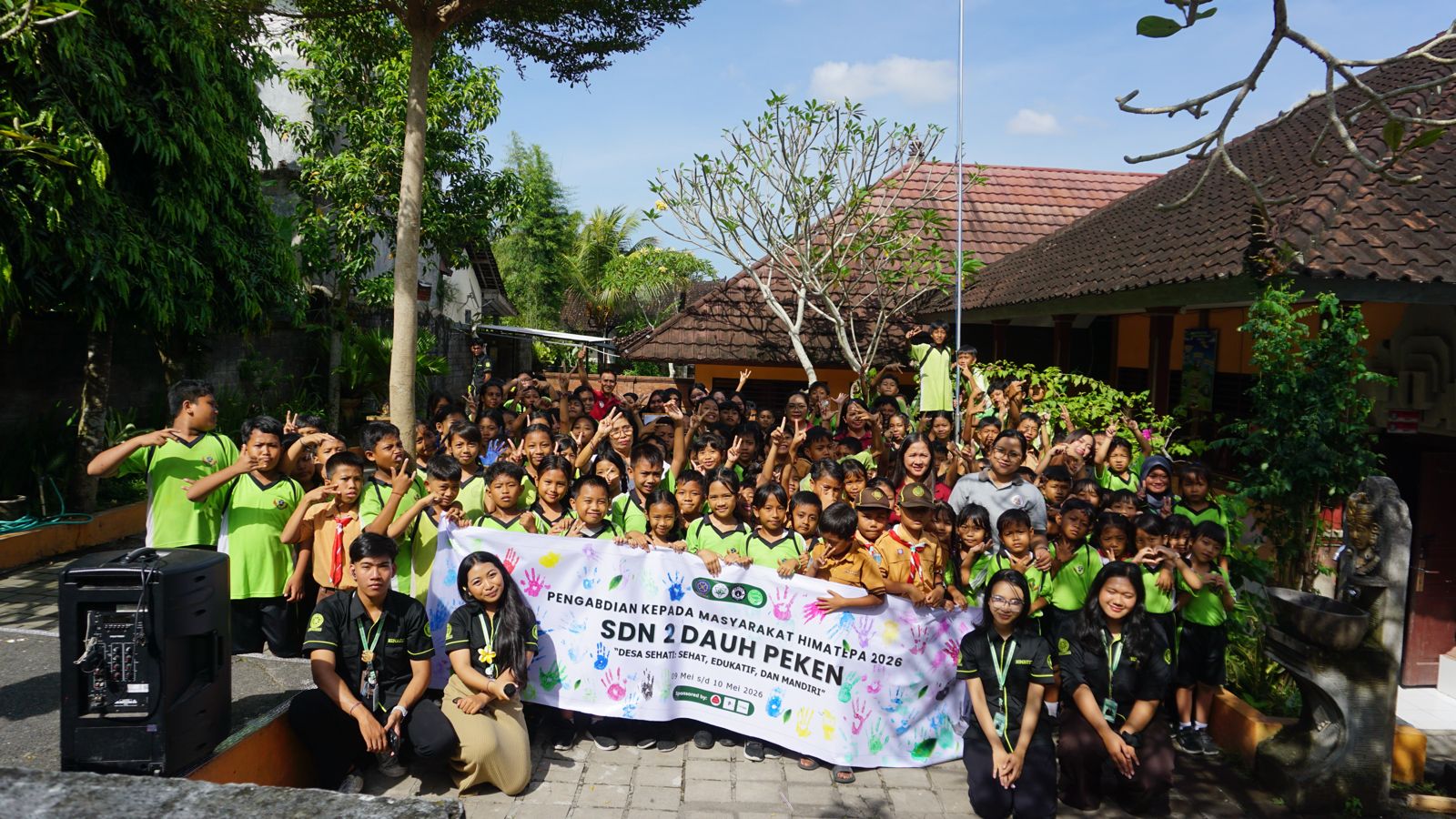
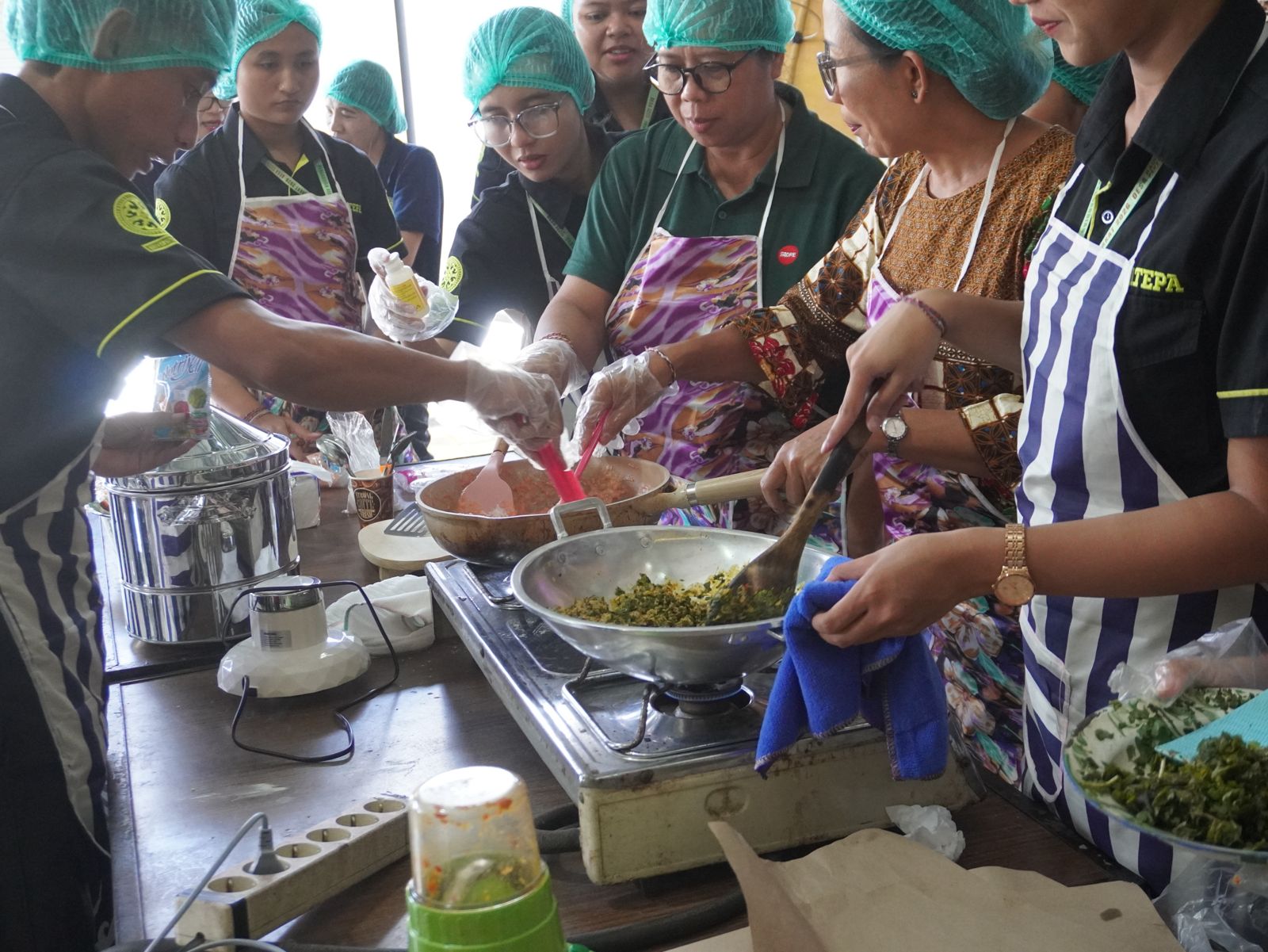
The program involved students of the Food Technology Study Program together with lecturers from the Faculty of Agricultural Technology, the Women Farmers Group (KWT) Kota Pala, students of SDN 2 Dauh Peken, and the local community. Various educational and interactive activities were carried out, including B2SA food education for elementary school students, sustainable food education from four study programs within the Faculty of Agricultural Technology, demonstrations on processing local commodities into innovative products such as tomato dodol and spinach floss, group exercise sessions, and fun games that enhanced participants’ enthusiasm throughout the program.
Through these activities, the Community Service Program provided positive impacts on the people of Dauh Peken Village by increasing public knowledge and awareness regarding sustainable healthy food and the processing of local commodities into innovative products. The enthusiasm shown by the community during the activities reflected their strong interest in participating and collaborating in community-based programs. This activity not only strengthened the relationship between lecturers, students, and the community, but also became an initial step toward encouraging the village community to become
Gallery
UDAYANA UNIVERSITY